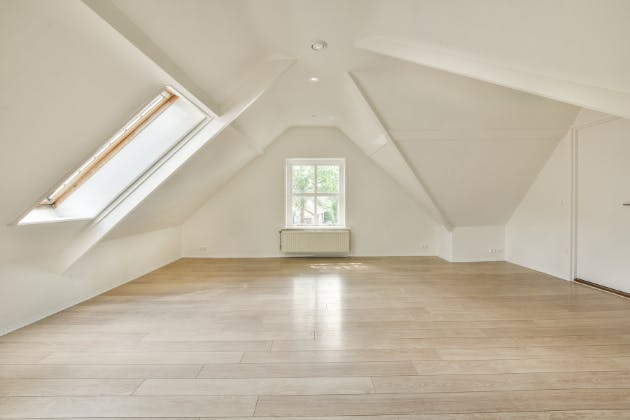
Many homeowners reach a point where extra room becomes a priority, and a loft conversion is often one of the most effective ways to gain space without moving. Before starting a project, it helps to understand whether your property is suitable and what factors influence the design, layout and overall success of the build. This guide outlines the key points to check so you can make an informed decision with confidence.
Key Factors That Determine Loft Conversion Suitability
Before looking at design choices or finishes, it is important to understand the practical elements that affect how well your loft can be converted. These considerations help identify the right type of conversion and ensure the finished space is safe, comfortable and aligned with building regulations.
Once you start assessing your property, you can begin to match your plans with the structural reality of your home, reducing surprises later and keeping your project on track.
Minimum Head Height Requirements
Head height is one of the biggest indicators of suitability. Most lofts require a minimum of around 2.2 metres from the top of the ceiling joists to the ridge of the roof for a comfortable, compliant space. If your loft falls slightly below this, design solutions such as dormers or adjusting the internal structure may still allow for a usable room, but the feasibility will depend on the existing roof shape and layout.
Roof Structure and Support
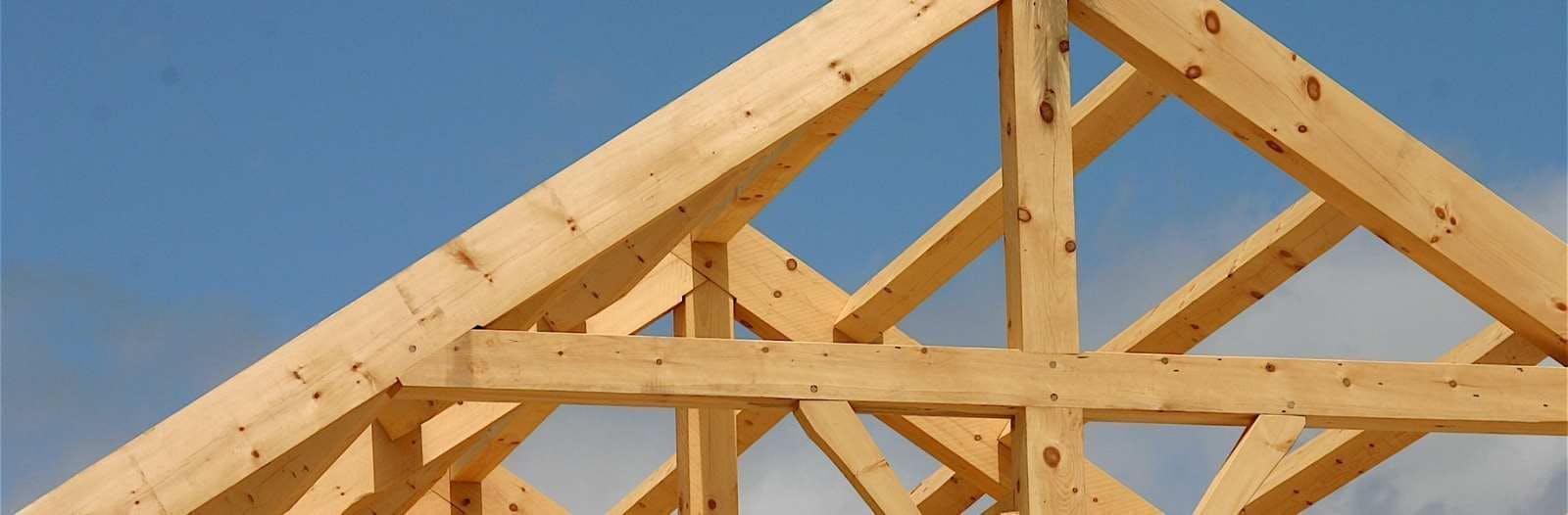
Different houses use different roof constructions. Traditional cut roofs often provide more open space and are naturally suited to conversions. Truss roofs are still suitable, but they require additional structural work to replace internal supports. Understanding what sits above your ceilings will help you see how easily the loft can be adapted and what level of construction is required to achieve your goals.
Access, Stair Positioning and Layout
Adding a staircase is essential and must be planned with care. The position, size and fall of the stairs affect both the loft and the floor below. Many homes can accommodate stairs without compromising existing rooms too heavily, but you will need space that meets building regulations for safety, headroom and fire escape. Professional guidance makes this part of your design feel effortless rather than restrictive.
Chimneys, Water Tanks and Other Obstacles
Many lofts contain features such as cold water tanks, chimney stacks or awkward beams. These do not rule out a conversion, but they can influence the design and construction work. Tanks can often be relocated, chimney breasts can be worked around, and layout planning can help you use every inch of space efficiently.
Insulation, Ventilation and Energy Performance
A well converted loft must feel comfortable year round. This requires proper insulation, ventilation paths and attention to moisture control. Modern insulation methods allow homeowners to maximise headroom while creating a warm, energy efficient room, but the suitability will depend on the roof structure and the space available for materials.
Planning Permission and Property Type
Most loft conversions fall under permitted development, but not all. If you live in a conservation area or your home has previously used its permitted development rights, approval may be required. Semi detached, detached and terraced properties are all suitable for loft conversions, and bungalows are often excellent candidates because of their roof height and open loft space.
When a Loft Conversion Might Not Be Suitable
While many homes are ideal for conversion, some situations require further evaluation. Extremely low roofs, structural weaknesses or significant restrictions around planning can limit your options. In these cases, a professional survey can help you understand alternative solutions or adaptations that may still make the project viable.
Loft Conversion Services Across Bristol, Clevedon, Nailsea and Backwell
JW Carpentry and Build provides expert guidance and construction for every stage of your project. Whether you are looking to create an extra bedroom, home office or dedicated living space, our team delivers tailored solutions with clear communication and quality workmanship. If you are considering a loft conversion in Bristol, Clevedon, Nailsea and Backwell, call us today or fill out our contact form to arrange a consultation.